1

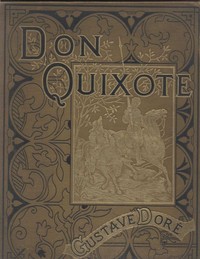
The History of Don Quixote, Volume 1, Part 03 — Reading Notes
14
2
Project Gutenberg
2004
Spain -- Social life and customs -- 16th century -- Fiction; Knights and knighthood -- Spain -- Fiction; Picaresque literature; Romances
Readers of public-domain and historical texts
Project Gutenberg digital edition
en
Edition facts
Words: 11,284
Reading time: 50 min
Text sections: 2
Source:
Project Gutenberg record #5905
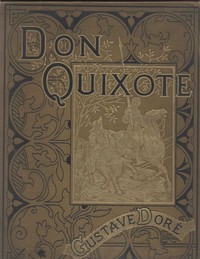
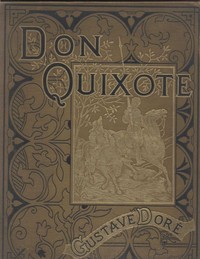
In Part 3 of Don Quixote, the scrutiny of Quixote's library reveals the curate and barber's comic book-burning, while the windmill adventure showcases Quixote's delusion and Sancho's earthy pragmatism, with Cervantes' dialogue and narrative voice blending parody and pathos.
Editorial Edition Score
4.5/5
★★★★★
★★★★★
Calculated from edition completeness, EPUB availability, text structure and catalogue metadata. Not a user rating.
Edition quality
Part 3 opens with the curate and barber conducting a mock-inquisitorial scrutiny of Don Quixote's library, a scene that turns literary criticism into farce. The housekeeper arrives with holy water and a sprinkler, fearing the books will bewitch them, while the niece urges burning them all. The curate insists on reading titles before sentencing, and the ensuing judgments—sparing some books, condemning others—parody the Inquisition's censorship. Cervantes uses this episode to comment on the chivalric romances that fuel Quixote's madness, but also to display his own erudition and wit. The dialogue is brisk, with each character's voice distinct: the housekeeper's superstitious simplicity, the niece's vengeful practicality, and the curate's learned deliberation.
The Library as Battlefield
The scrutiny of Quixote's library is not merely a plot device but a metafictional commentary on reading itself. The curate and barber act as critics, deciding which books deserve the fire. Their judgments are arbitrary and often comic: they spare some romances for their style or morality, while condemning others for absurdity. The housekeeper's fear of magic and the niece's eagerness for destruction highlight the tension between enlightenment and superstition. Cervantes here parodies the very act of canon formation, showing how literary value is negotiated through personal taste and social authority. The scene also foreshadows Quixote's later adventures, where his delusions are fueled by the very books being condemned.
Windmills and the Logic of Delusion
The windmill adventure is the most iconic episode in the novel, and in Part 3 it is rendered with precise comic timing. Don Quixote sees giants where Sancho sees windmills, and the narrative shifts between Quixote's heroic rhetoric and Sancho's plain speech. When Quixote charges, the windmill's sail catches his lance and hurls him to the ground. Sancho's response—'did I not tell your worship to mind what you were about?'—is a model of understated irony. Quixote's explanation that the sage Friston transformed the giants into mills to rob him of glory reveals the self-serving logic of his delusion. Cervantes does not mock Quixote's madness outright; instead, he lets the reader see both the absurdity and the pathos of a mind that cannot accept defeat.
The Squire's Voice: Sancho's Pragmatism
Sancho Panza emerges as a foil to Quixote's idealism. His concerns are bodily: hunger, pain, and the practicalities of travel. After the windmill fall, he reminds Quixote it is dinner-time, and when Quixote claims knights-errant cannot complain of wounds, Sancho retorts that he will complain for any ache, unless the rule extends to squires. This exchange reveals the class dynamics of the partnership: Quixote lives by a code that Sancho does not share, but Sancho's loyalty is pragmatic, not ideological. Cervantes gives Sancho a voice that is earthy and direct, grounding the narrative in physical reality. His interruptions puncture Quixote's grandiosity, but they also create a rhythm of call and response that drives the comedy.
Narrative Voice and Parodic Structure
Cervantes' narrator in Part 3 maintains a tone of mock-heroic detachment. The chapter titles themselves are parodic: 'Of the Diverting and Important Scrutiny' and 'Of the Good Fortune Which the Valiant Don Quixote Had in the Terrible and Undreamt-of Adventure of the Windmills.' The narrator reports events with deadpan seriousness, even when the action is absurd. This gap between the narrator's tone and the events described is a key source of humor. The structure of the episodes—first the library, then the second sally, then the windmills—mirrors the pattern of chivalric romances, but with a deflating twist. Cervantes uses the conventions of the genre to critique them, creating a work that is both a parody and a celebration of storytelling.
Part 3 of Don Quixote establishes the comic rhythm that will define the novel: Quixote's delusions collide with reality, Sancho provides a skeptical chorus, and the narrator maintains a wry distance. Readers should attend to the interplay of voices—the housekeeper's superstition, the curate's learning, Sancho's plainness—as they reveal the social world that Quixote both rejects and reshapes. The windmill episode, often reduced to a symbol of futility, is here a masterclass in comic timing and narrative control.
Reader reflection
What did you think of this book?
Answer a few questions and save a private reflection on this device.
Your progress
0
/
10
2
Was reading this book enjoyable?
3
Would you encourage someone else to read it?
4
How much effort did this book require?
5
Did it raise ideas you would like to talk about?
6
Did the book deliver what you hoped for?
7
Do you expect to return to this book?
8
Was the book moving at the right speed?
9
In one sentence, what did you learn?
10